Educational content only — this is not medical advice. Nothing here is a recommendation to buy, obtain, or use Dihexa. Talk to a licensed clinician before making health decisions.
What it is
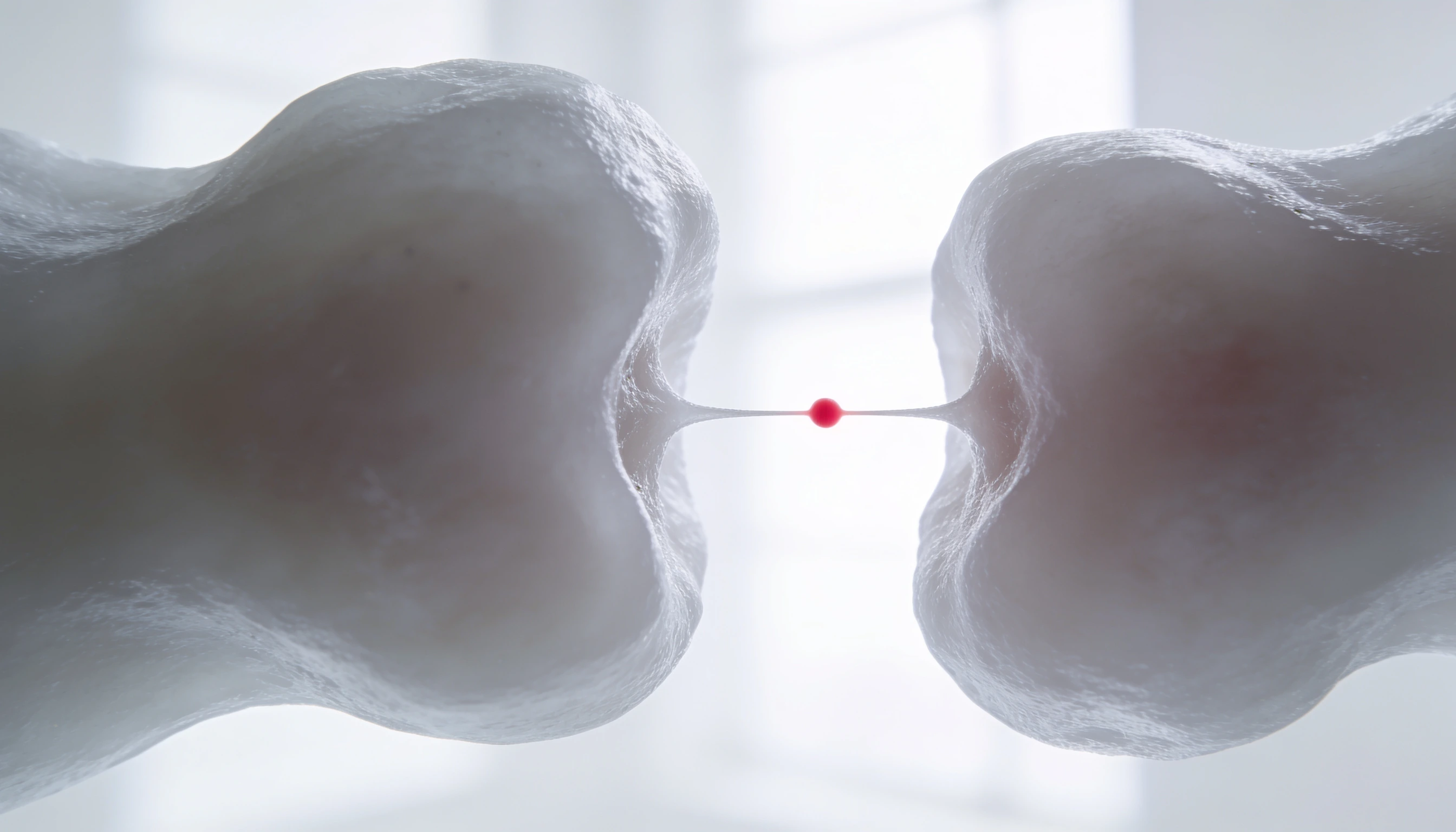
Dihexa is an orally active peptide derivative of angiotensin IV developed at Washington State University. It is reported to bind hepatocyte growth factor (HGF) and potently promote synaptogenesis, dendritic arborization, and cognitive performance in rodent models of neurodegeneration.
What the evidence shows
Animal studies show dramatic effects: in a scopolamine-induced memory-impairment model, dihexa was reported to be seven orders of magnitude more potent than the reference compound. It increases synaptic connectivity in aged rats. No human pharmacology or efficacy trials have been published.
Risks & unknowns
Human safety is entirely unknown. Potent promotion of synaptogenesis and HGF signaling raises theoretical concerns about tumor growth and uncontrolled tissue remodeling. Because it is sold as a research chemical, purity and dosing are uncontrolled.
Legal / regulatory status
Dihexa is not FDA-approved. It is not specifically listed by WADA as of 2026 but is likely captured under S0 (non-approved substances) or S2 depending on interpretation. It is illegal to market for human use.